
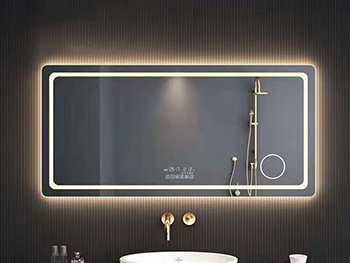
Smart mirrors with energy-efficient technology are rapidly becoming a preferred choice for modern homes, commercial spaces, hospitality environments, retail stores, gyms, salons, and wellness facilities. These advanced mirror systems combine reflection, display integration, lighting control, connectivity, and intelligent power management to create a highly functional and visually appealing solution. As buildings and businesses continue to prioritize sustainability, smart mirrors with energy-efficient technology are gaining attention for their ability to reduce electricity consumption while improving user experience, aesthetics, and operational efficiency.
Unlike traditional mirrors, a smart mirror is designed to do more than reflect an image. It can include embedded LEDs, touch controls, display panels, sensors, voice interaction, IoT connectivity, and automation functions. When combined with energy-efficient technology, these mirrors are engineered to use less electricity, produce less heat, and support long-term cost savings. For websites that cover modern interior solutions, sustainable technology, smart home equipment, bathroom innovations, or commercial display systems, smart mirrors with energy-efficient technology are a highly relevant topic for search visibility and content depth.
Smart mirrors with energy-efficient technology are mirror products that integrate intelligent features while minimizing power usage. They are typically built with low-energy LED lighting, motion sensors, dimming systems, anti-fog efficiency controls, smart sleep modes, and optimized display components. The goal is to deliver convenience, comfort, and advanced digital functionality without excessive electricity consumption.
In practical terms, an energy-efficient smart mirror may automatically turn on when someone enters a room, adjust brightness based on ambient light, shut down non-essential functions when idle, and use durable lighting components that consume significantly less power than conventional bulbs. These mirrors are designed for long operating life, lower maintenance demands, and improved environmental performance.
For SEO purposes, it is helpful to understand that the search intent behind this topic often includes terms such as smart mirror technology, energy-efficient bathroom mirror, LED smart mirror, sustainable mirror solutions, connected mirror systems, low-power mirror lighting, and intelligent mirror display. Including these related keywords naturally can improve topical relevance for search engines.
Energy efficiency is one of the most important factors in modern product design. In the case of smart mirrors, efficiency affects operating cost, product lifespan, environmental impact, and user satisfaction. A smart mirror that consumes excessive power may offer advanced features, but it will be less attractive to cost-conscious consumers and sustainability-focused businesses. Energy-efficient technology helps solve this challenge by balancing performance with responsible power usage.
Energy-efficient smart mirrors are especially valuable in environments where multiple units are installed or where mirrors may remain in active use throughout the day. Hotels, fitness centers, spas, offices, retail fitting rooms, and public restrooms can all benefit from reduced energy consumption. Over time, even modest power savings can become significant when multiplied across dozens or hundreds of installations.
Additionally, energy-efficient mirror systems often produce less heat, which can support safer operation and improve indoor comfort. This is particularly important in compact spaces such as bathrooms or small commercial rooms where heat buildup may be undesirable.
Smart mirrors with energy-efficient technology generally include a combination of hardware and software features designed to reduce waste and optimize performance. The exact configuration can vary depending on application, size, and design goals, but several common features appear across the category.
| Feature | Purpose | Energy-Efficiency Benefit |
|---|---|---|
| LED illumination | Provides bright, uniform lighting | Uses less power than traditional bulbs |
| Motion sensors | Detect user presence | Turns the mirror on only when needed |
| Ambient light sensors | Measure surrounding brightness | Automatically adjusts light output |
| Dimming control | Allows brightness adjustment | Reduces electricity use at lower settings |
| Standby mode | Limits power when idle | Minimizes unnecessary consumption |
| Touch interface | Enables direct control | Improves precision and reduces overuse |
| Anti-fog function | Keeps the mirror clear | Efficient heating or defogging management |
| Smart connectivity | Links to apps or systems | Enables automated scheduling and control |
Smart mirrors with energy-efficient technology save energy through a combination of design improvements and intelligent automation. The most common strategy is the use of low-power LED lighting. LEDs require far less energy than incandescent or halogen alternatives and can provide the same or better illumination quality. They also last longer, which reduces replacement frequency and maintenance-related resource use.
Another major saving comes from sensor-based operation. Instead of staying on continuously, a smart mirror can activate only when someone is present. This prevents wasted electricity in rooms where mirrors are often left running by accident. In public and commercial environments, automatic shutoff functions are particularly effective because they reduce reliance on manual user behavior.
Adaptive brightness is another important efficiency feature. By responding to natural light conditions, a smart mirror can provide sufficient visibility without using maximum output all the time. This approach improves energy performance while maintaining user comfort. Some models also include sleep timers or programmable schedules, which allow users to define when the mirror should operate and when it should enter low-power mode.
Smart mirrors with energy-efficient technology are used in a wide range of environments. Their flexibility makes them suitable for both residential and commercial applications. In many cases, the same underlying technology can be adapted to different interior styles and user requirements.
| Application Area | Typical Use Case | Primary Benefit |
|---|---|---|
| Residential bathrooms | Lighting, time, weather, anti-fog support | Convenience and lower home energy use |
| Hotels | Guest bathroom and room enhancements | Premium experience with efficient operation |
| Salons and spas | Task lighting and display features | Improved service quality with controlled power consumption |
| Fitness centers | Workout feedback and interactive displays | Engaging functionality with reduced operating costs |
| Retail stores | Smart fitting rooms and promotional displays | Customer engagement and energy-conscious operation |
| Offices | Reception and restroom installations | Modern appearance and efficient performance |
| Healthcare spaces | Patient and staff areas | Clean design and reliable low-energy usage |
Smart mirrors with energy-efficient technology offer a combination of functional, economic, and environmental advantages. These benefits are relevant for homeowners, designers, facility managers, architects, and procurement teams seeking modern mirror solutions that support both style and sustainability.
The most obvious advantage is reduced energy use. Low-power LED systems and intelligent controls help minimize electricity demand without sacrificing performance. This is particularly valuable in spaces where lighting is used daily for extended periods.
Lower electricity usage can lead to noticeable cost savings over time. For commercial installations, the financial impact can be significant when multiple smart mirrors are deployed across one or more locations.
Energy-efficient technology supports environmental goals by reducing power waste and improving product efficiency. Businesses that emphasize green building strategies or sustainable interior design may view smart mirrors as a practical upgrade.
Smart mirrors can offer bright, adjustable lighting and convenient features such as clock displays, weather updates, anti-fog control, and touch operation. When energy-efficient technology is built in, users gain these benefits without excessive energy draw.
LED components and optimized power systems often contribute to longer service life. Fewer replacements mean less maintenance and lower lifecycle cost.
Energy-efficient systems generally produce less heat than traditional alternatives. This makes smart mirrors more comfortable and potentially safer in enclosed spaces.
When evaluating smart mirrors with energy-efficient technology, it is important to review the technical specifications carefully. Product performance, integration capability, and power consumption can vary widely. The following table outlines common specification categories used in the industry.
| Specification Category | Typical Options | Why It Matters |
|---|---|---|
| Mirror size | Small, medium, large, custom dimensions | Affects visibility, installation, and use case |
| Lighting type | Integrated LED, edge lighting, backlighting | Impacts brightness and efficiency |
| Color temperature | Warm white, neutral white, cool white, adjustable | Influences visual comfort and ambiance |
| Brightness level | Fixed or dimmable output | Allows energy and light control |
| Sensor system | Motion, touch, ambient light, humidity | Enables automation and efficiency |
| Display integration | Time, date, weather, media, notifications | Expands functionality |
| Connectivity | Bluetooth, Wi-Fi, app support, smart home integration | Supports remote control and automation |
| Power supply | Low-voltage or standard electrical input | Affects installation and energy use |
| Anti-fog system | Heating pad or defogging layer | Maintains mirror clarity in humid spaces |
| Ingress protection | Moisture-resistant or water-resistant ratings | Important for bathroom and wet-area safety |
Lighting is one of the most important components of a smart mirror, and it is also one of the most important areas for energy savings. Many smart mirrors use LED lighting because LEDs provide excellent brightness with low electricity consumption. They also offer flexible design options, including perimeter lighting, hidden backlighting, and integrated task lighting.
In addition to LEDs, some smart mirrors use advanced optical diffusion materials that help distribute light evenly. Better light distribution reduces the need for excessive brightness, which supports efficiency. Adjustable white balance is another valuable feature, allowing the mirror to provide the right type of illumination for grooming, makeup application, shaving, or general room lighting.
Some models are designed with intelligent lighting scenes that let the system remember preferred brightness levels or automatically select the most efficient setting for the time of day. These smart control methods can make a meaningful difference in total energy usage.
Sustainability is now a major purchasing factor in interior products and digital home devices. Smart mirrors with energy-efficient technology support sustainability in several ways beyond simple electricity savings. Their materials, operating systems, and long-term durability can all contribute to a lower environmental footprint.
For example, long-lasting LED lighting reduces the number of replacement parts needed over time. Durable mirror construction can also reduce waste by extending usable life. In addition, smart automation features help ensure that the mirror operates only when required, which prevents unnecessary power loss.
Some modern mirror systems are designed to support low-voltage operation or optimized circuit design, which can help improve overall electrical efficiency. When installed in energy-conscious buildings, these features align well with broader sustainability strategies such as smart home automation, green commercial design, and eco-friendly renovation planning.
Anyone researching smart mirrors with energy-efficient technology should consider several important factors before selecting a product. These factors influence not only performance but also installation complexity, maintenance, and long-term value.
| Buying Factor | What to Look For | Impact on Performance |
|---|---|---|
| Energy consumption | Low-watt lighting and efficient standby mode | Directly affects utility cost |
| Lighting quality | Even brightness and adjustable color temperature | Improves usability and visual comfort |
| Sensor accuracy | Reliable motion and ambient detection | Ensures automation works properly |
| Durability | Quality materials and moisture resistance | Extends lifespan |
| Installation type | Wall-mounted, recessed, hardwired, plug-in | Influences project complexity |
| Control options | Touch, app, voice, remote | Enhances convenience |
| Compatibility | Smart home or building system integration | Supports automation workflows |
| Maintenance needs | Easy cleaning and replaceable parts | Reduces ongoing service effort |
Smart mirrors with energy-efficient technology are not limited to one type of environment. Their design can be adapted to a variety of purposes, which makes them highly versatile.
For homes: Smart mirrors can improve daily routines in bathrooms, bedrooms, and dressing areas. Homeowners often value the combination of style, visibility, and low-power performance.
For hospitality: Hotels and guest accommodations benefit from premium visual appeal and practical features while maintaining operational efficiency. Energy-efficient mirror systems are especially useful in rooms that experience frequent turnover.
For wellness and beauty: Salons, spas, and grooming studios often need consistent lighting and a polished appearance. Smart mirrors with efficient LEDs provide both functionality and a modern customer-facing image.
For commercial spaces: Offices, reception areas, and retail environments can use smart mirrors to create a contemporary impression while keeping energy costs manageable.
For public facilities: Bathrooms, changing rooms, and shared spaces benefit from automation, durable construction, and low-power operation.
For content planning and search optimization, it is useful to include related keyword variations in a natural way. The following phrases are commonly associated with this topic and can help broaden semantic relevance:
These keyword variations can be used in headings, body text, image alt text, metadata, and supporting blog content. However, it is important to maintain natural readability and avoid keyword stuffing. Search engines generally prefer helpful, well-structured content that answers user intent thoroughly.
The market for smart mirrors with energy-efficient technology continues to grow as consumers and businesses seek more integrated, functional, and sustainable interior products. Increasing interest in smart homes, digital wellness tools, and energy-conscious construction has helped expand awareness of this category. At the same time, advances in LED efficiency, sensor accuracy, and embedded electronics have made smart mirrors more practical and accessible.
Another major trend is the shift toward multifunctional design. Rather than serving as a simple reflective surface, the mirror is becoming a connected interface that can deliver lighting, information, control, and ambiance. Energy-efficient technology is essential to this evolution because it enables greater functionality without making the product too costly to operate.
As sustainability expectations continue to rise, energy-efficient smart mirrors are likely to remain an important product category in both residential and commercial interiors. Their blend of modern design, intelligent operation, and reduced power usage makes them suitable for a wide range of use cases.
Smart mirrors with energy-efficient technology represent a strong combination of innovation, practicality, and sustainability. They deliver advanced features such as LED lighting, sensor control, anti-fog functions, digital displays, and smart connectivity while keeping power consumption under control. This makes them an excellent choice for homes, hospitality settings, salons, fitness spaces, retail environments, offices, and other modern interiors.
For SEO-focused pages, this topic provides substantial content depth, broad keyword potential, and strong user intent alignment. A well-structured article about smart mirrors with energy-efficient technology can support rankings for related searches while providing helpful, original, and industry-neutral information. By covering definitions, benefits, technical specifications, applications, and sustainability considerations, the content above is ready to be inserted into the middle of an HTML page for blogs, category pages, or industry resource pages.
This website uses cookies to ensure you get the best experience on our website.


 Español
 Français
 日本語
 العربية



 Phone
Comment
(0)