
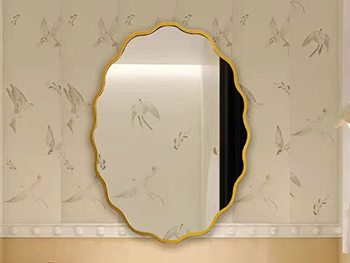
Smart mirrors with eco-friendly materials are becoming an important part of modern interior design, connected living, and sustainable product development. As more homeowners, designers, hospitality brands, wellness spaces, and commercial projects look for technology that supports both performance and environmental responsibility, the demand for eco-conscious smart mirror solutions continues to grow. A smart mirror is no longer just a reflective surface with a display behind it. Today, it can include integrated lighting, touch controls, voice interaction, Bluetooth connectivity, anti-fog functions, motion sensors, weather information, time display, and other intelligent features. When these functions are combined with eco-friendly materials, the result is a product that supports energy efficiency, responsible sourcing, and longer service life.
This page provides a detailed, SEO-friendly overview of smart mirrors with eco-friendly materials, including definitions, product structure, material options, benefits, common specifications, installation considerations, and practical buying factors. The content is written for blog pages, category pages, industry pages, and content hubs that need original, search-oriented, and structured information suitable for Google indexing.
Smart mirrors with eco-friendly materials are reflective mirror products that integrate digital functions while using materials, components, and manufacturing methods designed to reduce environmental impact. These mirrors may use recycled glass, low-VOC backing materials, responsibly sourced frames, energy-saving LEDs, lead-free coatings, and durable structural elements that extend the product lifecycle. The main idea is to combine intelligent mirror technology with sustainable design principles.
In practical terms, a smart eco-friendly mirror can serve as a bathroom mirror, vanity mirror, bedroom mirror, hallway mirror, fitness mirror, hospitality mirror, or commercial display mirror. The sustainability aspect may come from the mirror substrate, the frame, the lighting system, the electronics, the packaging, or the overall design approach. In many projects, the most effective eco-friendly smart mirrors are those that balance high performance with lower material waste and reduced energy use.
The market for smart mirrors is expanding because consumers want convenience, modern aesthetics, and connected features. At the same time, environmental awareness is influencing purchasing decisions. Designers and buyers increasingly look for products that are durable, recyclable, energy-efficient, and made with safer materials. Smart mirrors with eco-friendly materials answer this demand by offering both functionality and responsible construction.
Eco-friendly mirror design can help reduce the environmental footprint in several ways. It may lower electricity consumption through LED efficiency, reduce harmful emissions by using low-VOC finishes, support circular economy practices through recyclable materials, and minimize waste through long-lasting components. For projects that value sustainability certifications, green building goals, or environmentally responsible procurement, eco-friendly smart mirrors are a strong fit.
A smart mirror may include a wide range of digital and functional features. Not every mirror includes every feature, but the following options are common across the industry:
| Feature | Typical Function | Value to User |
|---|---|---|
| LED lighting | Built-in illumination around or behind the mirror | Improves visibility and daily grooming tasks |
| Touch control | Tap-based interface for lighting and settings | Easy operation with a clean surface design |
| Anti-fog function | Heated surface or defogging system | Maintains clarity in humid rooms |
| Bluetooth audio | Wireless sound connection to phones or devices | Supports music, calls, or streaming audio |
| Time and weather display | Digital information shown on the mirror surface | Useful for daily routines and scheduling |
| Voice control | Hands-free operation via smart assistant integration | Convenient for multitasking environments |
| Motion sensor | Automatic activation when presence is detected | Improves energy efficiency and user experience |
| Brightness adjustment | Dimming or color temperature control | Supports different lighting needs |
The term “eco-friendly materials” can refer to a wide set of materials and component choices. In the smart mirror industry, sustainability depends not only on the visible surface but also on the hidden structure, electronics, and manufacturing process. Below are common materials used in eco-conscious smart mirror production.
Recycled glass is one of the most important materials in sustainable mirror production. It helps reduce demand for virgin raw materials and can lower the environmental impact of manufacturing. Recycled glass may be used in the mirror substrate or as part of related glass components. High-quality recycled glass can still provide strong reflectivity, smooth surfaces, and long service life.
Volatile organic compounds, or VOCs, can contribute to indoor air pollution and environmental harm. Eco-friendly smart mirrors often use low-VOC adhesives, sealants, and coatings to reduce emissions. This is especially relevant for bathroom mirrors, bedroom mirrors, and hospitality interiors where indoor air quality matters.
Aluminum is lightweight, durable, and highly recyclable. In smart mirrors, aluminum frames are popular because they offer structural strength without excessive weight. Recycled aluminum can further improve sustainability performance. A well-designed aluminum frame may also support modern minimal aesthetics.
Bamboo and responsibly sourced wood materials are often used for decorative frames or design accents. Bamboo grows quickly and is widely considered a renewable material. If wood is used, buyers often look for certification or responsible sourcing to support eco-friendly goals.
Traditional mirror backing materials may involve environmentally problematic substances. Eco-friendly mirror designs increasingly use lead-free backing solutions that improve safety and reduce toxic material concerns. This is especially important in products intended for homes, hotels, and wellness environments.
LEDs are central to many smart mirrors. Compared with older lighting technologies, LEDs use less energy, last longer, and generate less heat. Energy-efficient LEDs reduce operating costs and support sustainable product performance. Color temperature control and dimming functions can also help reduce unnecessary energy use.
Eco-friendly smart mirror products often ship in recyclable cardboard, molded pulp, or reduced-plastic packaging. Packaging matters because it affects the total environmental footprint and supports waste reduction during distribution.
Smart mirrors that use eco-friendly materials offer a combination of environmental, practical, and commercial advantages. These benefits help explain why the category is growing in residential and commercial markets.
| Benefit | Description | Impact |
|---|---|---|
| Energy efficiency | LEDs and smart controls help reduce power consumption | Lower operating costs and greener usage |
| Improved indoor quality | Low-VOC materials support healthier interiors | Better comfort for homes and commercial spaces |
| Longer product life | Durable materials and components extend service life | Less frequent replacement and less waste |
| Modern functionality | Smart features improve convenience and usability | Enhanced user satisfaction |
| Sustainable design appeal | Eco-friendly materials support green branding | Useful for hospitality, retail, and wellness environments |
| Potential recyclability | More recyclable components can support end-of-life recovery | Improved circular economy alignment |
Eco-friendly smart mirrors are used in a wide range of spaces. Their versatility makes them relevant to both consumer and commercial projects. The following are some of the most common applications.
Bathroom smart mirrors are among the most popular formats. They often include anti-fog function, adjustable LED lighting, and touch controls. Eco-friendly materials are especially valuable in bathrooms because moisture-resistant construction and long service life are important. A sustainable bathroom mirror can improve both daily usability and interior design quality.
In bedrooms and dressing areas, smart mirrors support personal grooming, lighting adjustment, and style presentation. Eco-friendly frames and low-energy lighting systems are often preferred in spaces where aesthetics and comfort are priorities.
Hotels, resorts, and serviced apartments often choose smart mirrors for guest bathrooms and rooms. Eco-friendly smart mirrors can support sustainability branding while offering guests modern features. Durable materials are especially important in hospitality environments because they must withstand frequent use.
Retail fitting rooms, salons, spas, and commercial showrooms may use smart mirrors to create a premium experience. Eco-friendly materials can strengthen the brand story and align the physical environment with sustainable values.
Fitness studios, home gyms, yoga rooms, and wellness centers often benefit from mirrors that combine visibility, digital convenience, and long-lasting performance. Sustainable materials help support the healthy and responsible image of these spaces.
When selecting or specifying smart mirrors with eco-friendly materials, design choices have a major impact on both sustainability and product performance. A well-designed mirror should not only look good but also last long, operate efficiently, and be easy to maintain.
Durable materials reduce replacement frequency and extend the useful life of the mirror. If a product needs fewer repairs or replacements, it generally creates less waste over time. Durability is one of the strongest forms of sustainability because the longest-lasting product often has the lowest lifecycle burden.
Energy-efficient LEDs, motion sensors, dimming features, and automatic shutoff systems can significantly improve the environmental performance of a smart mirror. Smart controls should be designed to use only the power that is necessary for the task.
A mirror that can be repaired more easily is often more sustainable than one that must be replaced entirely. Modular lighting systems, replaceable electronics, and accessible wiring can help improve repairability and reduce waste.
Recyclable glass, aluminum, and packaging materials support better end-of-life outcomes. Designers and buyers should think about what happens when the product reaches the end of its use period. Recyclability is a key part of eco-friendly product design.
Low-VOC and lead-free components support healthier indoor environments. This matters in homes, hospitality spaces, childcare-related environments, and wellness spaces where people spend significant time indoors.
The exact specifications of a smart eco-friendly mirror vary by use case, size, and feature set. However, many products share a common specification structure. The table below provides a general reference.
| Specification Category | Common Range or Option | Notes |
|---|---|---|
| Mirror material | Recycled or standard glass with eco-conscious backing | Should provide clear reflection and durability |
| Frame material | Recycled aluminum, bamboo, responsibly sourced wood, or frameless design | Depends on style and sustainability goals |
| Lighting type | Energy-efficient LED | Often adjustable in brightness and color temperature |
| Power input | Standard AC power with efficient transformer or driver | May vary by region and installation type |
| Control method | Touch, sensor, app, or voice | Depends on model design |
| Anti-fog system | Optional heating pad or integrated defogging panel | Useful in bathrooms and humid spaces |
| Display functions | Time, date, temperature, weather, reminders | Often customizable |
| Connectivity | Bluetooth, Wi-Fi, or smart assistant compatibility | Feature availability varies |
| Mounting style | Wall-mounted or recessed | Must match wall structure and use environment |
| Certification focus | Energy efficiency, material safety, indoor air quality | Depends on market and project needs |
Eco-friendly materials do more than reduce environmental impact. They can also increase product value in the eyes of buyers, designers, and end users. In many markets, sustainability is now associated with premium quality, trust, and long-term usability.
For example, a smart mirror made with recycled aluminum and low-VOC finishes may be viewed as more modern and responsible than a conventional mirror with heavier emissions and weaker material choices. In commercial projects, this perception can support a stronger brand identity. In residential projects, it can provide peace of mind and align with personal values.
Eco-friendly construction can also improve procurement decisions. Buyers often compare lifecycle cost, not just upfront cost. A mirror that uses less energy, lasts longer, and requires less maintenance may deliver better overall value even if the initial investment is slightly higher.
When evaluating smart mirrors with eco-friendly materials, buyers should consider a combination of design, sustainability, functionality, and installation requirements. The following factors are especially important.
| Buying Factor | What to Check | Why It Matters |
|---|---|---|
| Material composition | Glass, frame, backing, coating, packaging | Directly affects sustainability and durability |
| Energy performance | LED efficiency, dimming, sensors, auto-off functions | Reduces power use and running costs |
| Moisture resistance | Protection for bathroom or humid environments | Important for safety and long-term function |
| Maintenance needs | Cleaning, repair access, component replacement | Influences total cost of ownership |
| Size and shape | Round, rectangular, oval, custom format | Must fit the interior and intended use |
| Installation type | Wall-mounted, recessed, framed, frameless | Affects appearance and installation complexity |
| Feature set | Anti-fog, Bluetooth, voice control, display data | Should match the user’s real needs |
| Lifecycle impact | Repairability, recyclability, expected service life | Supports greener purchasing decisions |
Proper installation is important for both safety and sustainability. A smart mirror that is installed correctly will usually last longer and operate more efficiently. Installation considerations may include wall strength, electrical access, moisture protection, cable routing, and clearance for sensors or lighting systems.
For bathroom installations, it is especially important to consider humidity, ventilation, and splash exposure. For commercial installations, the mirror should also be positioned to support user traffic, visibility, and maintenance access. In all cases, the goal is to preserve function while minimizing unnecessary rework or damage.
Smart mirrors with eco-friendly materials can remain attractive and effective for many years with proper care. Gentle maintenance supports sustainability by helping the product last longer.
Several trends are shaping the future of smart mirrors with eco-friendly materials. One of the most visible trends is the growing demand for minimal, clean aesthetics paired with intelligent functionality. Another major trend is sustainability-driven product development, where buyers expect better material choices and more efficient energy use.
Frameless and slim-frame designs are becoming popular because they reduce visual clutter and often use fewer materials. Modular electronics are also becoming more important because they can improve repairability and extend product life. In addition, the market is seeing more interest in products that align with wellness, energy saving, and responsible consumption.
As smart homes and connected interiors continue to expand, eco-friendly smart mirrors are likely to become more common in residential, hospitality, and commercial projects. The category sits at the intersection of design, technology, and sustainability, which makes it highly relevant for modern search traffic and content planning.
For content planning and internal SEO structure, the following keyword themes are relevant to smart mirrors with eco-friendly materials:
| Primary Keywords | Supporting Keywords | Search Intent |
|---|---|---|
| smart mirrors with eco-friendly materials | sustainable smart mirror, eco-friendly mirror design | Informational / commercial |
| eco-friendly smart mirror | energy-efficient smart mirror, green mirror technology | Product research |
| recycled material mirror | recycled glass mirror, recyclable mirror frame | Sustainability research |
| bathroom smart mirror | anti-fog mirror, LED bathroom mirror | Home improvement |
| sustainable interior product | low-VOC materials, eco-conscious home design | Design and procurement |
Industry pages and category pages often benefit from repeating the core value points in a clear, structured way. The following advantages are commonly associated with smart mirrors with eco-friendly materials:
Smart mirrors with eco-friendly materials represent a strong and growing product category in modern interiors. They bring together advanced mirror features, energy-efficient lighting, sustainable material choices, and thoughtful product design. Whether used in bathrooms, bedrooms, hospitality spaces, wellness environments, or commercial interiors, these mirrors offer both practical value and environmental advantages. As demand for connected living and sustainable products continues to rise, eco-friendly smart mirrors are likely to remain an important keyword theme and a high-interest topic for SEO content, category pages, and industry resources.
```
This website uses cookies to ensure you get the best experience on our website.


 Español
 Français
 日本語
 العربية



 Phone
Comment
(0)