
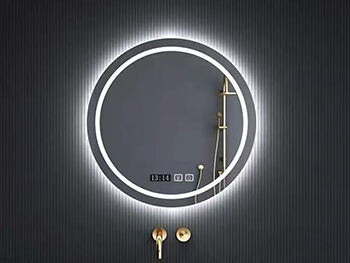
Multifunctional smart mirrors with integrated anti-fog systems are becoming a central element in modern bathrooms, hospitality projects, fitness facilities, retail fitting rooms, and smart homes. This guide explains what they are, how anti-fog technology works, key features, technical specifications, and how to compare different models for residential and commercial use.
Multifunctional smart mirrors with integrated anti-fog systems combine traditional reflective glass with digital features and built‑in fog prevention technologies. They typically integrate:
These mirrors are designed to remain clear in humid environments while also providing lighting, information display, and smart control functions for an enhanced user experience.
To understand multifunctional smart mirrors with integrated anti-fog systems, it is helpful to break them down into core components:
The mirror substrate is usually float glass with a reflective coating. Common options include:
The integrated anti-fog system prevents condensation from forming on the mirror surface when exposed to steam and temperature changes. Main technologies include:
Electric anti-fog systems are the most common in multifunctional smart mirrors because they are reliable, controllable, and compatible with advanced smart features.
Smart mirror electronics typically include:
Most multifunctional smart mirrors with integrated anti-fog systems feature LED lighting. Typical lighting designs include:
Depending on the model, further functions can include:
Anti-fog systems in multifunctional smart mirrors address the root cause of fogging: condensation of warm, moist air on a cooler mirror surface.
Electric anti-fog systems use a low‑wattage heating element to raise the temperature of the mirror slightly above the ambient air temperature. This keeps water vapor from condensing on the glass. Key characteristics:
Some mirrors use hydrophilic or nano‑structured coatings on the front side to change how water behaves on the glass surface:
These systems are more common in simple fog‑resistant mirrors; high‑end multifunctional smart mirrors tend to favor controllable electric demisters.
Anti-fog systems can be activated in different ways:
Integrating anti-fog technology directly into multifunctional smart mirrors offers multiple advantages for end users, designers, and facility managers.
The primary benefit is a consistently clear reflection even after hot showers or in steam‑rich environments. Users can shave, apply makeup, or inspect skin without waiting for the mirror to clear.
Combining a smart interface with fog‑free performance makes daily routines faster and more comfortable. Users can:
Anti-fog smart mirrors also contribute to safety and hygiene:
Modern multifunctional smart mirrors use efficient LED lighting and low‑wattage heating. Features such as timers, occupancy sensors, and smart scheduling can minimize energy waste. Anti-fog power use is usually modest compared to other bathroom appliances.
Manufacturers offer various sizes, shapes, and frame finishes. Integrated anti-fog systems are invisible from the front, preserving a clean, minimalist aesthetic. Designers can specify:
When connected to smart home platforms or building management systems, multifunctional smart mirrors with anti-fog systems can become part of a larger ecosystem, enabling:
While features vary by product line, many multifunctional smart mirrors with integrated anti-fog systems share common characteristics.
The following table summarizes typical technical parameters found in the market. These values are illustrative and can vary widely depending on model and application.
| Parameter | Typical Range / Option | Notes for Specification |
|---|---|---|
| Mirror Size | 400 × 600 mm to 1200 × 1600 mm | Custom sizes possible; larger mirrors require higher demister power. |
| Glass Thickness | 4 mm, 5 mm, 6 mm | Thicker glass for large mirrors and commercial applications. |
| Glass Type | Tempered, laminated, float | Safety glass recommended for bathrooms and public spaces. |
| Mirror Coating | Copper‑free silver, aluminum | Copper‑free for better corrosion resistance in humid areas. |
| Anti-Fog Technology | Electric heating pad / film | Most common technology in smart mirrors. |
| Anti-Fog Power Rating | 15 W – 80 W | Depends on demister size and mirror area covered. |
| Heat-Up Time | 3 – 8 minutes | Time to clear condensation after activation. |
| Power Supply | AC 110–120 V or 220–240 V, 50/60 Hz | Single‑phase supply; regional voltage options. |
| Total Power Consumption | 30 W – 150 W | Includes lighting and defogger. |
| LED Color Temperature | 2700 K – 6500 K | Warm white to daylight; some models offer selectable presets. |
| LED Luminous Efficacy | 60 – 100 lm/W | Varies by LED type and configuration. |
| CRI (Color Rendering Index) | >80 or >90 | CRI >90 preferred for makeup and grooming. |
| Dimming Control | On/off, step dimming, stepless dimming | Touch or app control for brightness adjustment. |
| Control Interface | Touch buttons, sensor, remote, app | Multiple control options possible in the same product. |
| Ingress Protection Rating | IP44 – IP65 (selected components) | Important for bathroom zone compliance. |
| Operating Temperature | 0 °C – 40 °C | Standard for indoor environments. |
| Installation Method | Wall‑mounted, recessed | Surface mount is more common; recessed for built‑in designs. |
| Mounting Orientation | Vertical, horizontal | Some mirrors are rotatable; check orientation markings. |
| Certifications | CE, RoHS, ETL, UL, IP | Varies by target market and region. |
| Smart Connectivity | Wi‑Fi, Bluetooth, Zigbee (optional) | For integration with smart home systems. |
| Speaker Output Power | 2 × 3 W – 2 × 10 W | Only for models with integrated audio. |
| Anti-Fog Coverage Area | Central 60–80% of mirror | Focused on primary viewing area. |
| Warranty Period | 1 – 5 years | Varies by manufacturer and region. |
Multifunctional smart mirrors with integrated anti-fog systems are used in a wide range of environments.
In private homes and apartments, anti-fog smart mirrors are typically installed above vanities, sinks, or double basins. They provide task lighting, fog‑free grooming surfaces, and smart features in an area that experiences daily moisture and temperature fluctuations.
Hotels, resorts, and serviced apartments use multifunctional smart mirrors with anti-fog systems to enhance guest experience and differentiate room design. Benefits for hospitality include:
Spas, wellness centers, and fitness clubs often have high humidity, steam, and frequent towel use. Fog‑free smart mirrors in locker rooms, treatment rooms, and relaxation areas improve visibility and user comfort.
In retail environments, especially beauty boutiques and fashion fitting rooms, multifunctional smart mirrors can provide:
As smart home ecosystems expand, multifunctional mirrors with integrated anti-fog systems can be used as information hubs, combining home automation controls with everyday mirror functions in corridors, bedrooms, and entrance areas, not just bathrooms.
Proper installation is critical to ensure safety, performance, and longevity of multifunctional smart mirrors with integrated anti-fog systems.
When installing in bathrooms or wet rooms, IP ratings are important for safety. Typical guidelines:
Installers should define how the mirror interacts with existing switches and smart controllers:
Multifunctional smart mirrors with integrated anti-fog systems are designed for low maintenance, but certain practices help maximize lifespan.
High‑quality LED modules can reach lifespans of 30,000 to 50,000 hours. The heating element for the anti-fog system is usually sealed and maintenance‑free, often matching or exceeding the expected life of the mirror assembly when used according to instructions.
For models with intelligent control and connectivity, firmware updates may be available via apps or over‑the‑air (OTA) mechanisms. These updates can improve performance, fix bugs, or add new features, while ensuring long‑term compatibility with smart home platforms.
When comparing multifunctional smart mirrors with integrated anti-fog systems, consider both technical and practical factors.
Start by clarifying where the mirror will be installed:
Decide whether a basic fog‑free LED mirror is sufficient or if advanced smart features are needed:
For architects, designers, and engineers preparing pre‑tender or specification documents, a structured specification template for multifunctional smart mirrors with integrated anti-fog systems can be helpful.
| Specification Item | Description / Requirement |
|---|---|
| Product Type | Wall‑mounted multifunctional smart mirror with integrated anti-fog system and LED lighting. |
| Dimensions | Specify width × height × glass thickness in mm. |
| Glass and Mirror | Tempered, copper‑free silver mirror with low‑iron glass where high color fidelity is required. |
| Anti-Fog System | Factory‑installed electric demister pad rated at [X] W, covering minimum [Y]% of central mirror area. |
| Anti-Fog Control | Touch‑activated with built‑in indicator light and automatic shut‑off after [T] minutes. |
| Lighting Type | Integrated LED strips with front or back illumination; minimum CRI > 80 (or > 90). |
| Color Temperature | Selectable between warm white (approx. 2700–3000 K), neutral white (approx. 4000 K), and cool white (approx. 6000–6500 K). |
| Dimming | Stepless touch dimming from 10% to 100% brightness. |
| Electrical Supply | AC 110–120 V or 220–240 V, 50/60 Hz, single phase; max power consumption [P] W. |
| Ingress Protection | Minimum IP44 suitable for bathroom zone 2 or equivalent, as per local regulations. |
| Controls | Capacitive touch controls on mirror surface; options for separate wall switch integration. |
| Connectivity (Optional) | Bluetooth and/or Wi‑Fi module for audio streaming and app‑based control where specified. |
| Safety | Compliant with relevant regional electrical and building safety standards and certifications. |
| Mounting | Wall‑mounted with included brackets and fixing kit suitable for [wall type]. Installer to verify fixing capacity. |
| Operating Conditions | Indoor use only; ambient temperature 0–40 °C; relative humidity up to 90% non‑condensing behind mirror. |
| Warranty | Minimum [X] years on mirror, LEDs, and anti-fog system. |
The market for multifunctional smart mirrors with integrated anti-fog systems is evolving quickly. Several design and technology trends are evident:
No. Some smart mirrors focus on lighting and connectivity only. When fog‑free performance is important, look for explicit references to an integrated anti-fog system, demister, or defogger in the technical description.
Energy consumption depends on mirror size and demister wattage. Typical anti-fog systems range from about 15 W for small mirrors to 80 W or more for large models. Because the demister is usually operated only for short periods, total monthly energy use is modest.
Some markets offer standalone demister pads that can be attached to ordinary mirrors. However, a factory‑integrated solution ensures better safety, uniform heating, tested moisture protection, and compatibility with the mirror’s lighting and controls.
Most multifunctional smart mirrors with integrated anti-fog systems are designed for bathroom walls, not directly inside showers. For any installation in high‑risk wet areas, it is critical to check IP rating, safety certifications, and local electrical regulations.
Well‑designed electric demisters are generally expected to last as long as the mirror itself under normal usage. There are no moving parts, and they operate at relatively low temperatures, which supports long‑term reliability.
Multifunctional smart mirrors with integrated anti-fog systems bring together fog‑free clarity, efficient lighting, and smart functionality in a single product. They are used in residential bathrooms, hotels, spas, gyms, retail spaces, and smart homes. By understanding anti-fog technologies, lighting options, key features, and installation requirements, specifiers and end users can select products that deliver long‑term performance, safety, and aesthetics tailored to their projects.
When planning a new bathroom or renovation, integrating a multifunctional smart mirror with an anti-fog system can significantly improve daily comfort while aligning with modern design and smart home trends.
```
This website uses cookies to ensure you get the best experience on our website.


 Español
 Français
 日本語
 العربية



 Phone
Comment
(0)