
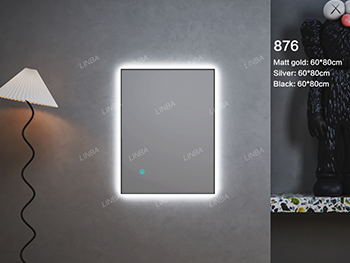
Fully automatic smart bathroom mirrors are becoming a popular upgrade in modern bathrooms because they combine reflective clarity, touchless convenience, integrated lighting, anti-fog performance, and smart control features in one product. For homeowners, designers, contractors, hotel operators, and property developers, proper maintenance is essential to preserve appearance, extend product lifespan, and ensure stable performance. This guide provides SEO-friendly, original, industry-focused information on maintenance tips for fully automatic smart bathroom mirrors, including definitions, key benefits, common specifications, cleaning methods, troubleshooting basics, and a practical maintenance checklist.
A fully automatic smart bathroom mirror is an advanced bathroom mirror system that uses built-in sensors, electronic components, and intelligent control functions to provide hands-free or automated operation. Depending on the model, these mirrors may include automatic lighting, motion sensing, defogging, adjustable brightness, color temperature control, Bluetooth audio, digital clock displays, temperature readouts, memory settings, and touchless activation.
Unlike traditional bathroom mirrors, smart mirrors are designed to improve convenience, hygiene, and visual comfort. The “fully automatic” concept generally refers to features that activate automatically based on motion, ambient light, humidity, or preset programming. Because these mirrors contain electrical parts and specialized surfaces, they require proper care to maintain both function and appearance.
Smart bathroom mirrors are exposed to moisture, steam, soap residue, toothpaste splashes, fingerprints, and daily temperature changes. Over time, these conditions can affect the mirror glass, anti-fog coating, LED lighting, sensor accuracy, and internal electronic stability. Regular maintenance helps reduce the risk of fogging issues, discoloration, dull surfaces, flickering lights, and premature component failure.
Good maintenance also supports energy efficiency, protects the waterproof structure, and keeps the mirror looking clean and premium. For commercial spaces such as hotels, apartments, spas, and office restrooms, proper upkeep is especially important because first impressions and user experience matter.
| Feature | Maintenance Concern | Recommended Action |
|---|---|---|
| LED lighting | Dust, moisture, flickering, uneven brightness | Clean the surface gently, inspect wiring and power supply, check for overheating |
| Anti-fog system | Reduced heating performance, residue on the defogging area | Keep the mirror dry after use, avoid harsh chemicals, test function regularly |
| Motion sensor | False activation, delayed response, blocked sensor lens | Wipe sensor area carefully and keep it free from dust and steam film |
| Touch controls | Unresponsive surface, dirt buildup, moisture interference | Clean with a soft cloth and avoid excess water near electronic points |
| Bluetooth speaker | Sound distortion, dust accumulation, moisture exposure | Keep volume moderate, dry the area, and inspect for water intrusion |
| Digital clock/display | Display blur, incorrect time, power interruption | Check power supply and reset settings when needed |
Daily care is the easiest way to protect a smart mirror. The goal is to remove moisture, fingerprints, and soap residue before they harden or affect the mirror finish. A soft microfiber cloth is usually the best tool for routine cleaning because it lifts dirt without scratching the glass surface.
After showers or baths, condensation can settle on the mirror. If the mirror is not equipped with immediate anti-fog recovery, gently wipe away moisture with a dry microfiber cloth. This helps prevent water spots and mineral residue from forming on the glass.
Touch controls, sensors, speakers, and display zones should not be scrubbed aggressively. Use light pressure and minimal moisture. Excess water can enter openings or interfere with sensitive components.
Good airflow reduces steam accumulation and helps the mirror dry faster. Using an exhaust fan or opening a window after bathing can support both the mirror and the entire bathroom environment.
Smart mirrors often have glossy, premium surfaces that show fingerprints easily. Prompt cleaning keeps the mirror looking bright and professional. For best results, use a clean, dry cloth or a lightly damp cloth followed by immediate drying.
Weekly maintenance goes beyond surface wiping and focuses on light inspection, deeper cleaning, and function checks. It is a practical habit for households and a necessary standard for commercial restrooms.
Check whether the light output is even across the mirror. Look for flickering, dim sections, unusual color shifts, or delayed startup. These may indicate a power issue, loose connection, or aging light components.
Fully automatic smart bathroom mirrors often include a defogging system. Test the function after a hot shower and confirm that the mirror clears in a reasonable period. If performance seems weaker than usual, inspect for dirt buildup or power irregularities.
Motion sensors, touch sensors, and ambient light sensors should remain unobstructed. A small amount of dust or film can reduce responsiveness. Use a soft, dry cloth or a slightly damp cloth, then dry immediately.
The frame, edge seal, and mounting area should remain intact. Look for cracking, corrosion, loose fittings, or signs of water penetration. Early detection helps avoid larger problems.
A monthly inspection is useful for identifying hidden issues before they become functional failures. The following checklist can be used in homes, hotels, rental properties, and commercial bathrooms.
| Maintenance Task | Purpose | Recommended Frequency |
|---|---|---|
| Clean mirror glass with non-abrasive cloth | Preserve clarity and prevent scratching | Weekly to monthly |
| Inspect LED brightness and color consistency | Detect light failure early | Monthly |
| Test defogging function | Ensure automatic humidity control works correctly | Monthly |
| Clean sensor and control zones | Maintain fast and accurate response | Monthly |
| Check power cable and plug area | Reduce electrical risk and ensure stable power | Monthly |
| Inspect sealant and wall mount | Prevent water ingress and instability | Monthly |
Cleaning a smart bathroom mirror requires a careful balance between thoroughness and protection. The surface should be kept free of residue, but the cleaning process must not damage internal electronics, anti-fog layers, or edge seals.
Microfiber is widely recommended because it removes dirt efficiently without scratching glass. It also leaves fewer lint particles than paper towels or coarse fabrics.
A mild glass-safe cleaner or a small amount of diluted neutral detergent is usually sufficient. Avoid strong acids, alkaline cleaners, ammonia-based sprays, bleach, abrasive powders, or any product that may damage the reflective coating or smart surface.
When using a liquid cleaner, lightly dampen the cloth first instead of spraying directly onto the mirror. This reduces the chance that liquid will seep into buttons, edges, or electrical openings.
After wiping, use a second dry cloth to remove remaining moisture. Immediate drying helps prevent streaks, water marks, and buildup around the edges.
Incorrect maintenance can shorten the life of the mirror or damage sensitive functions. The following practices should be avoided whenever possible.
Fully automatic smart bathroom mirrors may vary in frame material, mirror thickness, coating quality, and electronic design. Maintenance can differ slightly depending on these construction details.
| Construction Type | Typical Maintenance Need | Best Practice |
|---|---|---|
| Frameless mirror | Edge cleanliness and seal protection | Clean edges carefully and inspect the perimeter for moisture |
| Aluminum frame mirror | Frame oxidation and dust buildup | Wipe frame dry and avoid corrosive cleaners |
| LED backlit mirror | Light uniformity and electrical stability | Check for dim areas, loose wiring, and overheating |
| Anti-fog mirror | Heating performance and surface cleanliness | Keep the fog-clearing surface clean and test after steam exposure |
| Touch-control mirror | Responsiveness and contact cleanliness | Wipe gently and prevent water accumulation near controls |
LED lighting is one of the most important smart mirror features. It affects visibility, grooming accuracy, room brightness, and overall bathroom design. Good maintenance helps preserve light quality and reduce early degradation.
Keep the lighting surface clean, check for signs of flicker, and avoid overheating by ensuring proper ventilation around the mirror. If the light color appears inconsistent, it may be caused by power instability, aging LEDs, or driver issues. In such cases, inspection by a qualified technician is recommended.
The anti-fog function is especially valuable in bathrooms with frequent steam exposure. To keep it effective, do not cover the defogging zone with stickers, accessories, or cleaning residue. Use the function regularly so the system remains in active working condition.
If the mirror takes longer to clear than usual, first check whether the surface is clean and whether the bathroom humidity is unusually high. Next, confirm that power is reaching the system properly. Persistent issues may indicate a heating element problem or internal connection fault.
Smart bathroom mirrors often rely on infrared or capacitive controls. These features are convenient, but they can become less responsive if blocked by dust, steam film, or cleaning residue. Keeping the sensing area clean is the simplest and most effective maintenance strategy.
Always wipe sensors gently and avoid using overly wet cloths. If a mirror has a motion-activated system, make sure nearby objects, towels, or decorative items are not blocking the detection zone. Stable sensor operation improves user convenience and reduces unnecessary activation.
Proper care begins before the mirror is installed. If the product is stored before use, it should be kept in a dry, clean, and temperature-stable area. Avoid placing heavy objects on the mirror, and keep packaging intact until installation to reduce the risk of scratches or impact damage.
During handling, always hold the mirror with both hands and avoid pressure on the glass edges, electrical ports, or sensor zones. Improper handling during transport or installation can create internal damage that later affects performance.
Several environmental conditions influence the durability of fully automatic smart bathroom mirrors. These include humidity, water exposure, temperature changes, dust levels, and poor ventilation. Bathrooms with heavy daily use or limited airflow may require more frequent cleaning and inspection.
In humid environments, protective sealing and regular drying are especially important. In areas with hard water, mineral deposits may appear more quickly on the glass surface. In such cases, prompt wiping after exposure to water helps preserve the mirror’s finish.
Even with good maintenance, all electronic products may eventually require service. Watch for these common warning signs:
If any of these problems continue after basic cleaning and power checks, a professional inspection may be needed.
| Problem | Possible Cause | Basic Action |
|---|---|---|
| Mirror not turning on | Power interruption or loose connection | Check power supply and installation connection |
| Flickering LED light | Driver issue or unstable voltage | Inspect power source and seek professional support if needed |
| Touch buttons not responding | Moisture, dirt, or sensor obstruction | Clean the control area and dry thoroughly |
| Anti-fog function weak | Surface residue or heating problem | Clean the mirror and test again after warm shower conditions |
| Bluetooth audio unstable | Moisture or pairing interference | Dry the area and reconnect the device |
The ideal maintenance schedule depends on usage intensity, humidity level, and mirror features. The table below offers a general industry guide for both residential and commercial use.
| Task | Residential Use | Commercial Use |
|---|---|---|
| Surface wiping | Daily or as needed | Daily |
| Sensor cleaning | Weekly | Weekly to biweekly |
| Function testing | Monthly | Monthly |
| Seal and mount inspection | Monthly | Monthly |
| Professional inspection | As needed | Every 6 to 12 months |
For blog pages, category pages, and industry landing pages, maintenance content for smart bathroom mirrors performs well when it is structured clearly and includes high-intent keywords naturally. Useful SEO phrases include fully automatic smart bathroom mirror maintenance, smart bathroom mirror cleaning tips, anti-fog mirror care, LED bathroom mirror maintenance, touchless bathroom mirror upkeep, and smart mirror troubleshooting.
To improve search visibility, the content should include keyword-rich headings, tables, short paragraphs, practical lists, and definitions. This makes the page easier for users to scan and helps search engines understand the topic more clearly.
Fully automatic smart bathroom mirrors offer a modern combination of style, comfort, and technology, but they perform best when maintained with care. Regular cleaning, moisture control, sensor protection, LED inspection, and gentle handling all contribute to better durability and more reliable function. Whether the mirror is installed in a private home, hotel, apartment, or commercial restroom, a consistent maintenance routine helps preserve both visual quality and smart performance.
By following the maintenance tips above, users can protect their investment, reduce service issues, and keep the mirror looking clean, bright, and technologically advanced for years. For any smart bathroom mirror, proactive care is the key to long-term value.
This website uses cookies to ensure you get the best experience on our website.


 Español
 Français
 日本語
 العربية



 Phone
Comment
(0)