
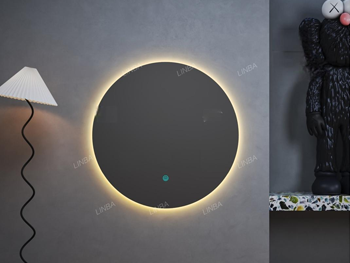
Multifunctional smart mirrors are becoming a practical upgrade for modern bathrooms because they combine
lighting, display features, defogging, sensors, and smart controls in one product. For homeowners, hotel
operators, property managers, and renovation teams, the main value is not only convenience but also
measurable energy savings. By integrating multiple bathroom functions into a single device, a smart mirror
can reduce unnecessary electricity use, improve daily efficiency, and support a more energy-conscious
bathroom design.
This article explains how multifunctional smart mirrors help reduce bathroom energy costs, what features
create the biggest savings, what specifications matter most, and how to evaluate a smart mirror for long-term
performance. The content below is written for SEO-friendly publishing and can be inserted directly into a
blog post, category page, industry page, or product guide.
A multifunctional smart mirror is a bathroom mirror that includes more than simple reflective glass.
It typically integrates LED lighting, anti-fog technology, touch controls, time display, temperature display,
motion sensing, Bluetooth audio, dimming functions, memory settings, and sometimes voice or app-based control.
Some models also include a built-in digital display for weather, news, or daily reminders.
Unlike a traditional bathroom mirror that only reflects light and image, a smart mirror acts as a central
bathroom device. Because it can replace separate fixtures such as vanity lights, fog-free heating pads,
clock displays, and even Bluetooth speakers, it helps reduce power usage across several individual products.
This consolidation is one of the core reasons why smart bathroom mirrors are linked to lower energy costs.
Bathroom energy consumption is often underestimated. Although a bathroom may be used for shorter periods than
a kitchen or living room, it commonly contains multiple electrical devices that run every day. These may
include ceiling lights, vanity lights, heated mirrors, exhaust fans, towel warmers, shaver sockets, and
sometimes audio or display units.
Over time, the combined electricity usage can become significant, especially in homes with several bathrooms,
hotels with many guest rooms, or commercial properties with shared washrooms. Energy costs rise further when
older fixtures are inefficient, when lights are left on too long, or when anti-fog systems run continuously
without control. Multifunctional smart mirrors address these problems by improving efficiency and reducing
waste.
The primary energy-saving advantage of a multifunctional smart mirror is device consolidation. Instead of
powering multiple separate products, one integrated system performs several functions at once. That reduction
in equipment count can lower electricity consumption, reduce standby losses, and improve overall control.
A smart mirror can often replace or reduce the need for separate LED vanity lights, wall clocks, temperature
displays, anti-fog pads, and sound systems. When one device performs several tasks, total energy demand
usually drops. This is especially important in bathrooms where fixtures are frequently left on longer than
necessary.
For example, a mirror with integrated LED lighting and dimming control may eliminate the need for extra light
bars or side lamps. A built-in clock or temperature display can remove the need for a separate digital wall
unit. If the mirror includes an anti-fog function that activates only when needed, it can outperform older
always-on heating solutions.
One of the most energy-efficient components in a smart mirror is LED lighting. Compared with traditional
incandescent or halogen bulbs, LED lights consume less power while producing strong, even brightness.
They also last much longer, which reduces replacement frequency and maintenance costs.
In bathroom applications, LED vanity lighting integrated into a mirror is especially efficient because it
delivers direct illumination where it is needed most. Many smart mirrors also support adjustable brightness,
allowing users to set the light level based on time of day or personal preference. Lower brightness settings
mean lower energy consumption.
Motion-sensing smart mirrors are helpful for energy savings because they automatically turn on when someone
enters the bathroom and switch off after inactivity. This automation reduces the common problem of leaving
lights on for extended periods.
In homes with children, guests, or busy schedules, motion sensors can make a real difference. In commercial
bathrooms, the savings can be even greater because occupancy patterns are more predictable and lighting can
be controlled with precision. Over time, automatic shutoff helps lower electricity bills and reduces
unnecessary load on the lighting system.
A smart mirror with dimming capability allows the user to match lighting output to actual needs. Full-brightness
operation is not always required. For example, soft lighting may be enough for late-night use, while brighter
lighting may be preferred for grooming or makeup application.
Dimming helps reduce power consumption because lights draw less electricity when they operate at lower
intensity. It also improves comfort and reduces eye strain. In energy-efficient bathroom design, dimmable
mirrors are a practical way to balance functionality with lower operating cost.
A foggy bathroom mirror wastes both time and energy because users may run hot water longer or turn on extra
ventilation and lighting while waiting for the mirror to clear. Multifunctional smart mirrors often include
anti-fog technology that keeps the reflective surface usable after showers.
The most efficient anti-fog systems are demand-based rather than constant. Instead of running continuously,
they activate only when the mirror detects humidity or when the user turns the function on. This targeted
operation reduces energy waste compared with permanent heating pads.
Some smart mirrors include Bluetooth speakers, built-in clocks, and digital information displays. While these
features are often seen as convenience upgrades, they can also support efficiency by reducing the number of
devices that need their own power source.
For example, a single mirror that shows time, temperature, and reminders may replace several separate gadgets.
Fewer devices usually mean less power draw, fewer adapters, less standby consumption, and a cleaner bathroom
layout.
Not every smart mirror provides the same level of efficiency. To understand how multifunctional smart mirrors
reduce bathroom energy costs, it is important to look at the features that have the biggest impact.
| Feature | Energy-Saving Benefit | Typical Bathroom Advantage |
|---|---|---|
| LED integrated lighting | Uses less electricity than traditional bulbs | Bright, even illumination with lower power use |
| Motion sensor | Turns mirror on and off automatically | Reduces wasted lighting time |
| Dimming control | Allows lower brightness when full output is unnecessary | Improves comfort and efficiency |
| Anti-fog system | Prevents repeated mirror clearing and limits extra device use | Useful after showers and baths |
| Smart timer function | Limits operating time automatically | Supports better energy management |
| Touch control | Improves precise control over functions | Reduces accidental overuse |
| Integrated display | Eliminates separate clocks or panels | Simplifies bathroom setup |
| Memory setting | Returns to preferred settings without repeated adjustment | Encourages efficient daily use |
A traditional bathroom setup often requires several separate electrical products to achieve the same level of
convenience. Separate light fixtures, anti-fog solutions, and digital accessories can each consume power
independently. A multifunctional smart mirror combines these functions into one platform, which improves
efficiency and simplifies control.
| Bathroom Function | Traditional Solution | Smart Mirror Solution | Energy Impact |
|---|---|---|---|
| Lighting | Separate vanity lights or bulbs | Integrated LED mirror lighting | Lower energy consumption and fewer fixtures |
| Mirror defogging | Standalone heating pad or manual wiping | Built-in anti-fog function | More targeted usage and less waste |
| Time display | Separate wall clock or digital panel | Built-in mirror display | Reduces device count and standby load |
| Lighting control | Manual switch only | Touch, sensor, or timer control | Less chance of lights being left on |
| Audio | Separate speaker or radio | Bluetooth integrated into mirror | Consolidates devices and power sources |
Energy savings are not only about the technical efficiency of the product itself. They also depend on how people
use the bathroom every day. Multifunctional smart mirrors help reduce energy costs because they support better
user behavior. Automated lighting, quick activation, and simple interfaces make efficient use easier and more
natural.
In many cases, energy waste occurs because people forget to turn off lights or leave extra equipment running.
Smart mirrors reduce this behavior through automation and intuitive controls. When a bathroom is used briefly
and frequently throughout the day, even small reductions in usage time can create meaningful savings over
months and years.
When comparing multifunctional smart mirrors, certain specifications are more relevant to energy efficiency
than others. Buyers should look for a balance of performance, wattage, control options, and safety features.
| Specification | What to Look For | Why It Matters |
|---|---|---|
| LED power rating | Low wattage with high brightness output | Indicates efficient lighting performance |
| Color temperature | Adjustable warm to cool light options | Supports flexible use without extra lights |
| CRI value | High color rendering accuracy | Provides clear reflection with efficient illumination |
| Sensor type | Motion or proximity detection | Improves automation and reduces waste |
| Defogging method | On-demand heating with auto shutoff | Prevents unnecessary energy use |
| Dimming range | Wide adjustable brightness settings | Allows lower power use when full light is not needed |
| Control method | Touch, sensor, remote, or app control | Improves convenience and precision |
| Standby power | Low idle consumption | Important for long-term efficiency |
| Ingress protection | Bathroom-safe moisture resistance | Supports durability and safe operation |
| Lifespan | Long LED and component service life | Reduces replacement and maintenance costs |
The following table presents a general industry overview of common multifunctional smart mirror specifications.
Values may vary by design, size, and feature set, but this table is useful for understanding what a bathroom
smart mirror may include.
| Specification Category | Common Range or Option | Notes |
|---|---|---|
| Mirror shape | Round, rectangular, oval, custom | Shape affects layout and visual style |
| Lighting type | Integrated LED | Primary energy-saving light source |
| Brightness control | Yes, often touch dimmable | Helps reduce energy use |
| Color temperature | Warm white, neutral white, cool white | Flexible lighting for different bathroom tasks |
| Anti-fog | Optional or built-in | Useful in high-humidity bathrooms |
| Time display | Optional digital display | Reduces need for separate clock |
| Temperature display | Optional digital display | Adds convenience and awareness |
| Sensor activation | Motion, touch, or proximity | Supports automation and efficiency |
| Connectivity | Bluetooth, app control, or wireless options | Varies by model and market segment |
| Power source | Hardwired or plug-in | Installation choice depends on bathroom design |
The energy advantages of multifunctional smart mirrors can vary depending on the setting. Residential bathrooms,
hospitality environments, and commercial facilities all benefit in different ways. The common theme is improved
control and reduced waste.
| Use Case | Main Energy-Saving Benefit | Typical Outcome |
|---|---|---|
| Residential homes | Reduced lighting waste and fewer separate devices | Lower monthly electricity bills |
| Apartments | Compact functionality in small spaces | Efficient use of limited bathroom area |
| Hotels | Automation and lower standby consumption | Better operating efficiency across many rooms |
| Luxury properties | Consolidated premium features with efficient lighting | High-end look with lower energy demand |
| Commercial washrooms | Sensor-based operation and durable LED systems | Lower maintenance and reduced waste |
| Renovation projects | Replacement of multiple accessories with one system | Better ROI and simpler installation planning |
Estimating energy savings begins with comparing the power use of the smart mirror to the combined use of the
older bathroom fixtures it replaces. The total savings depend on several factors: mirror size, LED wattage,
daily usage time, sensor settings, anti-fog use, and whether other fixtures are removed from the bathroom.
A simple method is to compare the old setup and the new setup across a month. Consider the number of minutes
the bathroom lights are used each day, how often the anti-fog feature is required, and whether motion sensors
reduce operating time. Even modest reductions can become meaningful over time, especially in homes with
frequent bathroom use.
| Factor | Effect on Energy Use | Optimization Tip |
|---|---|---|
| Daily lighting duration | Longer use increases consumption | Use motion sensor and dimming |
| Brightness level | Higher brightness uses more power | Set lower brightness when possible |
| Anti-fog runtime | Frequent heating increases consumption | Use only after showering |
| Standby power | Idle consumption adds up over time | Choose low-standby models |
| Number of separate fixtures removed | More consolidation means lower total load | Replace multiple devices with one mirror |
Proper installation plays a major role in how efficiently a smart mirror performs. A well-installed mirror can
provide consistent lighting and reliable control, while poor placement may reduce usability and cause users to
turn on additional lights.
Height, angle, room size, ambient lighting, and switch placement all matter. If the mirror is positioned
correctly, users can rely on it more and avoid unnecessary supplementary lighting. For best results, smart
mirrors should be installed with a clear understanding of daily bathroom routines and electrical requirements.
To get the most value from a multifunctional smart mirror, users should combine the product’s built-in features
with smart bathroom habits. The following best practices help improve long-term savings.
Energy-efficient bathroom design is no longer a niche preference. It is a practical standard for modern
renovations, sustainable housing, and cost-conscious property management. Because the bathroom is a high-use
space with moisture, lighting, and comfort needs, it is one of the best places to introduce efficient smart
technology.
Multifunctional smart mirrors support this goal by combining practical features with lower power consumption.
They improve convenience without requiring multiple separate electrical devices. As a result, they help make
bathrooms cleaner, more functional, and more cost-effective to operate.
Multifunctional smart mirrors reduce bathroom energy costs by replacing multiple electrical devices with one
efficient product, using LED lighting instead of higher-consumption bulbs, automating on/off operation with
sensors, enabling dimming control, and offering on-demand anti-fog performance. They also improve bathroom
organization, reduce standby power, and simplify daily use. For homeowners and commercial users alike,
smart bathroom mirror technology offers a strong combination of energy efficiency, convenience, and modern
design.
smart bathroom mirror, multifunctional smart mirror, bathroom energy savings, energy-efficient bathroom mirror,
LED vanity mirror, anti-fog smart mirror, motion sensor mirror, Dimmable Bathroom Mirror, bathroom smart
technology, low energy bathroom lighting, integrated mirror display, efficient bathroom design, smart mirror
specifications, bathroom lighting replacement, modern bathroom mirror
If the goal is to reduce bathroom energy costs without sacrificing comfort or style, a multifunctional smart
mirror is a strong solution. Its energy-saving value comes from integration, automation, and efficient LED
technology. Instead of relying on several separate devices, the bathroom can operate with one smarter system
that uses less power and delivers more function.
For SEO-driven content pages, this topic is especially effective because it connects a high-intent keyword
phrase with practical buyer information, technical specifications, and clear use-case benefits. That makes
multifunctional smart mirrors a relevant subject for homeowners, contractors, interior designers, distributors,
and any audience interested in energy-efficient bathroom solutions.
```
This website uses cookies to ensure you get the best experience on our website.


 Español
 Français
 日本語
 العربية



 Phone
Comment
(0)