
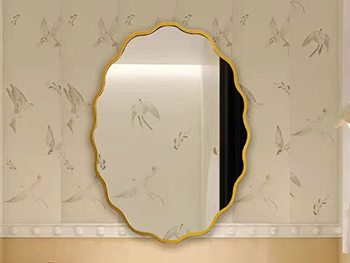
Fully Automatic Smart Bathroom Mirrors for Luxury Home Bathrooms
Industry Background and Market Demand
The luxury home bathroom segment has evolved significantly in recent years, driven by increasing demand for high-end, technology-integrated fixtures. Among these, fully automatic smart bathroom mirrors have emerged as a key component, combining aesthetics with advanced functionality. The global smart home market, valued at over $80 billion in 2023, continues to expand, with bathroom automation playing a growing role.
Luxury homeowners and developers prioritize seamless integration of smart features, such as voice control, anti-fog technology, and integrated lighting, without compromising design. This shift has led manufacturers to focus on high-performance materials, precision engineering, and IoT connectivity to meet expectations for both durability and innovation.
Core Concepts and Key Technologies
A fully automatic smart bathroom mirror is more than a reflective surface—it incorporates multiple embedded technologies:
- Anti-Fog Systems: Using heating elements or hydrophobic coatings to prevent condensation.
- Integrated LED Lighting: Adjustable color temperatures (2700K–6500K) and brightness levels.
- Touch and Voice Control: Compatibility with Amazon Alexa, Google Assistant, or proprietary systems.
- Bluetooth/Wi-Fi Connectivity: For music streaming, notifications, or smart home synchronization.
- Automated Dimming and Activation: Motion sensors or proximity detection for hands-free operation.
These features rely on low-voltage circuitry, energy-efficient components, and durable seals to ensure longevity in humid environments.
Product Structure, Materials, and Manufacturing
1. Frame and Surface Construction
High-end smart mirrors typically use:
- Tempered Glass (6–8mm thickness): For safety and optical clarity.
- Aluminum or Stainless Steel Frames: Corrosion-resistant and lightweight.
- Sealed Back Panels: Protect internal electronics from moisture.
2. Internal Components
- PCB Modules: Control lighting, sensors, and connectivity.
- Heating Elements: Thin-film conductive layers for anti-fogging.
- Power Supply: 12V/24V transformers with surge protection.
3. Manufacturing Process
- Laser Cutting and Edge Polishing: Ensures precise dimensions and smooth edges.
- Vacuum Lamination: Bonds electronic layers without air gaps.
- IP65+ Sealing: Protects against humidity and splashes.
Key Factors Affecting Quality and Performance
1. Moisture Resistance
- Poor sealing leads to circuit corrosion. High-quality silicone gaskets and conformal coatings are essential.
2. Optical Clarity
- Low-iron glass minimizes distortion, while anti-reflective coatings enhance visibility.
3. Energy Efficiency
- LED drivers with low standby power (<0.5W) reduce operational costs.
4. User Interface Responsiveness
- Capacitive touch sensors must function flawlessly in high-humidity conditions.
Supplier and Supply Chain Considerations
For OEMs and developers, selecting reliable suppliers involves:
- Certifications: CE, UL, or RoHS compliance for safety and environmental standards.
- Customization Capabilities: Ability to tailor sizes, shapes, and tech integrations.
- Lead Times and Scalability: Just-in-time production vs. bulk inventory strategies.
Top-tier suppliers often specialize in glass tempering, precision electronics, and smart home integrations, ensuring end-to-end quality control.
Common Challenges and Industry Pain Points
1. High Initial Costs
- Premium materials and smart features increase production expenses.
2. Installation Complexity
- Requires professional wiring, especially for hardwired models.
3. Interoperability Issues
- Not all mirrors integrate smoothly with existing smart home ecosystems.
4. Maintenance Requirements
- Dust accumulation on sensors or degraded seals can affect performance.
Applications and Case Examples
- Luxury Residences: Integrated into master bathrooms with synchronized lighting and climate control.
- High-End Hotels: Used in suites to enhance guest experience via voice-activated controls.
- Wellness Spas: Paired with chromotherapy lighting for relaxation.
Current Trends and Future Developments
1. AI-Powered Personalization
- Mirrors that adjust lighting based on time of day or user preferences.
2. Augmented Reality (AR) Integration
- Virtual makeup trials or skincare analysis via embedded cameras.
3. Sustainability Focus
- Recyclable materials and solar-powered options.
4. Modular Designs
- Swappable tech components for easy upgrades.
FAQ
Q: How do smart mirrors prevent fogging?
A: They use either electrically heated glass or hydrophobic nano-coatings to repel moisture.
Q: Can smart mirrors work without hardwiring?
A: Some models support battery or USB power, but hardwired versions offer more stable performance.
Q: What is the lifespan of a high-end smart mirror?
A: With proper installation, expect 8–12 years, depending on environmental conditions.
Q: Are these mirrors compatible with all smart home systems?
A: Most support major platforms (e.g., HomeKit, Alexa), but proprietary systems may require additional hubs.
Conclusion
Fully automatic smart bathroom mirrors represent a convergence of luxury and technology, offering both aesthetic appeal and advanced functionality. As demand grows, manufacturers must balance durability, innovation, and user experience while addressing cost and interoperability challenges. Future advancements in AI and sustainability will likely drive the next wave of adoption in high-end residential and commercial projects.
This website uses cookies to ensure you get the best experience on our website.


 Español
 Français
 日本語
 العربية



 Phone
Comment
(0)