
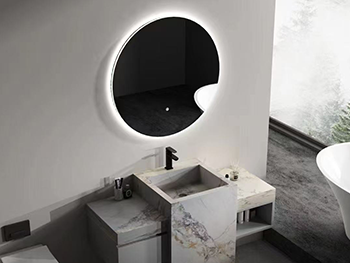
Dimmable smart bathroom mirrors are becoming a popular choice in modern bathroom design because they combine
lighting control, mirror functionality, and advanced convenience in one product. For homeowners, contractors,
designers, and renovation planners, understanding the best installation practices for dimmable smart bathroom mirrors
is essential for achieving safe operation, reliable performance, and a polished final look. Proper installation
also helps improve energy efficiency, maximize mirror lifespan, and ensure that integrated features such as
anti-fog systems, LED lighting, touch controls, and Bluetooth audio work as intended.
This guide provides SEO-friendly, industry-focused information about dimmable smart bathroom mirror installation,
including definitions, benefits, specification tables, mounting considerations, electrical requirements, maintenance
tips, and common mistakes to avoid. The content is written in clean English and can be directly inserted into
a blog post, category page, industry page, or product information page.
A dimmable smart bathroom mirror is a bathroom mirror equipped with built-in lighting and intelligent
functions that allow users to adjust brightness levels according to their needs. Most models use LED technology
and may include features such as touch sensors, memory settings, anti-fog pads, digital clocks, color temperature
adjustment, USB ports, Bluetooth speakers, and motion activation.
The dimming function is one of the most important features because it gives users control over lighting intensity.
In practical use, a brighter setting is ideal for shaving, makeup application, and grooming, while a softer setting
supports relaxed evening routines and ambient bathroom lighting. When installed correctly, dimmable smart bathroom
mirrors offer a balanced combination of style, safety, and functionality.
Correct installation is critical for both visual and operational reasons. A smart bathroom mirror is not only a
decorative element; it is also an electrical product installed in a moisture-prone environment. Poor installation
can lead to uneven mounting, unstable operation, electrical faults, water damage, short service life, and reduced
user satisfaction.
Following best installation practices for dimmable smart bathroom mirrors helps ensure:
Dimmable smart bathroom mirrors deliver a wide range of advantages that support both residential and commercial
bathroom projects. Their popularity continues to grow because they combine several useful functions in one product.
| Benefit | Description | SEO Keyword Relevance |
|---|---|---|
| Adjustable brightness | Users can increase or reduce light intensity based on grooming tasks or mood. | dimmable smart bathroom mirror, adjustable LED mirror |
| Modern appearance | Sleek, minimalist design enhances bathroom aesthetics. | smart bathroom mirror installation, modern bathroom mirror |
| Energy efficiency | LED lighting consumes less power than many traditional lighting systems. | LED bathroom mirror, energy-efficient mirror |
| Multi-functionality | May include anti-fog, Bluetooth, clock, temperature display, and memory settings. | smart mirror features, bathroom mirror with LED |
| Better visibility | Improves task lighting for grooming, shaving, and skincare routines. | bathroom vanity mirror lighting, dimmable mirror lighting |
| Enhanced comfort | Lower brightness levels create a softer and more relaxing atmosphere. | bathroom mirror dimming, ambient mirror light |
Before installation, it is useful to understand the most common types of smart mirrors used in bathrooms. Each type
may require slightly different mounting and electrical considerations.
| Mirror Type | Core Features | Typical Installation Notes |
|---|---|---|
| LED backlit mirror | Light glows from behind the mirror panel. | Needs secure wall mounting and access to power supply. |
| Front-lit mirror | LED lighting is positioned around the front edges. | Useful for detailed grooming and makeup tasks. |
| Touch sensor mirror | Brightness and features are controlled through touch buttons. | Sensor position should be easy to reach and avoid interference. |
| Anti-fog smart mirror | Includes defogging heating elements. | Requires proper electrical connection and safe moisture protection. |
| Bluetooth mirror | Integrated speakers allow audio playback. | Needs stable installation to reduce vibration and sound distortion. |
| Clock and display mirror | Shows time, temperature, or other digital information. | Needs clear visibility and power management support. |
The following best practices are designed to support safe, efficient, and professional-grade installation of
dimmable smart bathroom mirrors in residential and commercial bathrooms.
Selecting the right mirror size is one of the most important steps in smart bathroom mirror installation. The mirror
should be proportionate to the vanity, basin, and wall space. A mirror that is too large may overwhelm the room,
while one that is too small may reduce usability and visual balance.
Placement should also support the intended use. In most cases, the center of the mirror should align with the sink
centerline. For best results, the mirror should be installed at a comfortable eye level while also allowing enough
space for nearby light fixtures, faucets, shelves, and bathroom accessories.
Bathroom mirrors with lighting and smart controls are typically heavier than standard mirrors. Because of this,
installers should confirm that the wall structure can safely support the product. Stud location, wall anchors,
wall material, and mounting hardware must all be checked before drilling.
For drywall installations, use appropriate anchors rated for the mirror weight. For tile walls, special care must
be taken to avoid cracking the tile surface during drilling. Accurate measurements and professional tools help
prevent mounting problems and improve the final result.
Since dimmable smart bathroom mirrors rely on electrical power, planning the power source in advance is essential.
The power outlet or hardwired connection should be positioned according to the mirror's design and local electrical
code requirements. In many cases, an electrician may be needed to prepare the wiring safely.
Electrical planning should account for:
Bathrooms are high-humidity environments, so moisture-safe installation is essential. All electrical
components should be installed according to safety standards suitable for wet or damp locations. Cables, connectors,
and junction points should be protected from direct water exposure.
A smart bathroom mirror should never be installed in a way that exposes it to splashes, steam concentration, or
direct shower spray. Ventilation should also be considered, as good airflow can reduce humidity buildup and help
preserve electronic components.
Although this article focuses on general industry guidance rather than specific brands, the installation template
provided with the product should always be followed. Most dimmable smart bathroom mirrors include a mounting guide
that shows bracket positions, drill points, wire entry location, and safety clearances.
Using the template helps ensure exact alignment and reduces the chance of drilling mistakes. It also improves the
appearance of the mirror after installation, especially when the product includes visible edge lighting or built-in
touch controls.
Not all dimming systems work the same way. Some smart mirrors use integrated touch dimming, while others may be
compatible with external wall dimmers. Before installation, confirm whether the mirror is designed for:
Incorrect dimmer pairing can cause flickering, uneven brightness, buzzing, or control malfunction. Always ensure
the lighting system is designed for the exact control method used in the bathroom.
Many smart bathroom mirrors offer multiple color temperature options, such as warm white, neutral white, and cool
white. The lighting tone should be tested before or during installation to confirm that it matches the room design
and intended use.
Cool white light is often preferred for grooming because it provides high clarity. Warm white light creates a
softer atmosphere, while neutral white offers a balanced everyday option. A dimmable smart bathroom mirror with
adjustable color temperature gives users more flexibility and improves the practical value of the product.
A perfectly level installation is important for visual symmetry and professional presentation. Even a small tilt
can become noticeable once the mirror is illuminated. Use a spirit level or laser level during mounting to confirm
that the mirror is straight before final tightening.
Proper leveling is especially important in bathrooms with tile grids, geometric design elements, or multiple mirrors
placed side by side. Clean alignment supports the premium appearance expected from a smart mirror installation.
Smart bathroom mirrors may require a small amount of clearance from the wall to allow wiring, heat dissipation,
and service access. Installing the unit too tightly can trap heat and make maintenance more difficult. Adequate
spacing can improve reliability and simplify future inspection.
For mirrors with anti-fog heating systems or integrated electronics, ventilation helps reduce thermal stress and
supports stable performance over time.
After mounting is complete, every built-in feature should be tested. This includes brightness adjustment, on/off
switching, anti-fog function, clock display, Bluetooth connection, color temperature adjustment, and memory settings
if available. Testing confirms that installation was successful and that the mirror responds properly to user input.
If the mirror shows flickering, delayed response, or inconsistent dimming, the wiring, power source, or control
system should be inspected before the installation is considered complete.
The table below provides common industry specification ranges for smart bathroom mirrors. Exact product values vary
by model, but this table is useful for general SEO content, comparison pages, and educational pages.
| Specification | Typical Range or Option | Installation Relevance |
|---|---|---|
| Mirror size | 24" to 60" or custom dimensions | Determines wall space and mounting position |
| Lighting type | LED backlit, front-lit, or edge-lit | Affects wiring and visual brightness |
| Dimming method | Touch sensor, remote, wall dimmer, stepless control | Must match electrical control system |
| Color temperature | 2700K to 6000K | Influences grooming visibility and mood |
| Voltage | Commonly 110V-120V or 220V-240V | Must match regional electrical supply |
| Power rating | Varies by size and feature set | Used for circuit planning and energy estimates |
| Anti-fog function | Optional heating pad or defog system | Requires safe electrical setup |
| Smart features | Clock, temperature display, Bluetooth, USB | May require extra power or setup steps |
| Mounting style | Wall-mounted, recessed, surface-mounted | Determines installation method |
| Ingress protection | Varies by model and design | Important for bathroom moisture resistance |
Electrical safety is one of the most important topics in smart bathroom mirror installation. Because bathrooms
combine water, humidity, and electrical equipment, the installation should follow local electrical standards and
safety rules. In many cases, a qualified professional electrician is recommended for final connection work.
A dimmable smart bathroom mirror should never be installed with loose wiring, exposed connectors, or unsupported
power cables. Good cable management not only improves safety but also gives the bathroom a more finished and
professional look.
Different mounting styles are used depending on bathroom design, wall type, and mirror features. Choosing the
correct method is important for both appearance and long-term stability.
| Mounting Style | Advantages | Best Use Case |
|---|---|---|
| Surface-mounted | Simple installation, easy access to wiring | Standard renovations and retrofits |
| Recessed | Clean, flush appearance | Premium bathrooms and new builds |
| Bracket-mounted | Strong support and precise positioning | Heavier smart mirrors |
| Frameless wall mount | Minimalist style and modern aesthetics | Contemporary bathroom design |
Good installation is not only about safety; it also improves usability. A dimmable smart bathroom mirror should be
positioned so that the lighting works effectively for a range of users and daily activities.
Key ergonomic considerations include:
When the mirror is placed correctly, it improves grooming visibility, supports attractive interior design, and
creates a more comfortable daily routine.
Even a high-quality dimmable smart bathroom mirror can perform poorly if installed incorrectly. The following
mistakes are among the most common in bathroom renovation and mirror installation projects.
| Mistake | Possible Result | How to Prevent It |
|---|---|---|
| Incorrect mirror size | Poor balance and weak visual impact | Measure vanity and wall space carefully |
| Improper wall anchors | Loose or unstable mounting | Use anchors rated for the mirror weight |
| Ignoring electrical compatibility | Flicker, malfunction, or dimming failure | Verify voltage and dimmer requirements |
| Installing too close to moisture | Reduced lifespan and safety risk | Follow bathroom-safe placement guidelines |
| Uneven leveling | Unprofessional appearance | Use accurate leveling tools |
| Skipping function tests | Undetected performance issues | Test all smart features after installation |
Proper maintenance helps preserve both the mirror surface and the smart lighting system. Regular care is simple,
but it should be done correctly to avoid damage.
Routine maintenance can help smart bathroom mirrors continue to function efficiently while preserving their
appearance and brightness quality.
The following keyword phrases are relevant for content optimization, internal linking, and search visibility
around the topic of best installation practices for dimmable smart bathroom mirrors.
| Primary Keywords | Supporting Keywords | Long-Tail Variations |
|---|---|---|
| dimmable smart bathroom mirror | LED bathroom mirror, smart mirror installation | best installation practices for dimmable smart bathroom mirrors |
| bathroom mirror with dimming | adjustable LED mirror, bathroom vanity mirror lighting | how to install a dimmable smart mirror in a bathroom |
| smart bathroom mirror | anti-fog mirror, touch sensor mirror | installation guide for LED bathroom mirrors |
| LED smart mirror | bathroom lighting mirror, illuminated bathroom mirror | safe mounting practices for bathroom smart mirrors |
Use the checklist below as a general pre-installation and post-installation reference for dimmable smart bathroom
mirror projects.
| Stage | Checklist Item | Status |
|---|---|---|
| Before installation | Measure wall space and vanity alignment | To verify |
| Before installation | Confirm wall support and anchor type | To verify |
| Before installation | Check voltage and dimming compatibility | To verify |
| During installation | Use template and level the mirror accurately | To complete |
| During installation | Protect wiring and moisture-sensitive components | To complete |
| After installation | Test brightness, anti-fog, display, and audio functions | To complete |
| After installation | Clean the mirror surface and inspect final alignment | To complete |
Dimmable smart bathroom mirrors are a valuable addition to modern bathrooms because they combine adjustable
lighting, practical smart features, and attractive design in a single product. However, the long-term success of
any installation depends on careful planning, proper wall support, correct electrical preparation, and attention
to moisture-safe methods.
By following the best installation practices for dimmable smart bathroom mirrors, installers and
property owners can achieve safer operation, better performance, and a more polished appearance. Whether used in
homes, hotels, apartments, or commercial washrooms, a correctly installed smart bathroom mirror adds comfort,
convenience, and visual value while supporting modern bathroom design standards.
If you are creating SEO content for a blog, directory page, or industry landing page, this topic offers strong
search potential because it combines commercial intent, practical installation information, and high-value product
education. Focus on clear structure, keyword variation, and user-first guidance to improve visibility and ranking
potential across search engines.
```
This website uses cookies to ensure you get the best experience on our website.


 Español
 Français
 日本語
 العربية



 Phone
Comment
(0)